
Maternal Ecodistress
A Media Toolkit for Science Communicators
Climate change is reshaping maternal mental health, identity, and care. This toolkit helps journalists and communicators tell the untold story with scientific integrity and emotional nuance.
Download Full ToolkitSupporting Maternal Mental Health Storytellers in Climate Crisis
featured on...



Funded by Catalyst Grand 2025
What Is Maternal Ecodistress?
Maternal ecodistress refers to the specific psychological, relational, and systemic distress experienced by mothers, caregivers, and those in maternal roles due to climate disruption, ecological decline, and existential uncertainty.
It encompasses climate anxiety, reproductive grief, moral injury, eco-guilt, posttraumatic stress, and systemic overwhelm—not as individual pathology, but as signals of deep ecological attunement and relational intelligence.
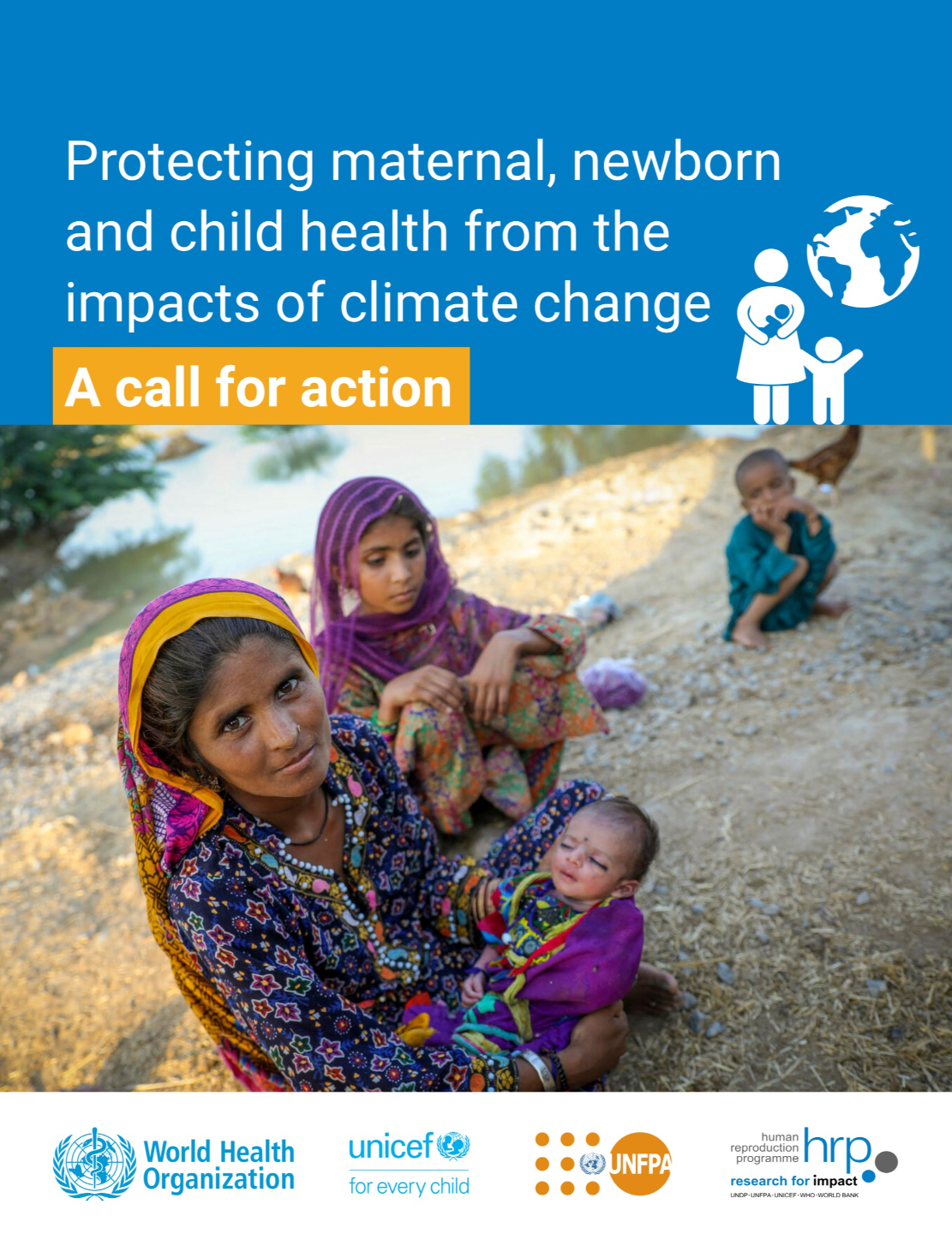
Named by the World Health Organization as a global priority, maternal mental health is vastly underrepresented in science communication, especially regarding climate impacts.
A Missing Piece of Climate Adaptation
Despite expanding research on climate psychology, maternal voices remain largely absent from climate narratives due to structural erasures in healthcare, policy, and media.

Four Structural Erasures
1. Biomedical Siloing
Climate anxiety treated as disorder instead of rational response to unsafe conditions.
2. Child-Centric Psychology
Neglect of developmental vulnerabilities during matrescence and the perinatal period
3. Green Motherhood Ideology
Ecological ethics collapsed into consumer performance, obscuring systemic distress
4. Privatization of Crisis
Mothers expected to internalize ecological burdens while systems escape accountability
Visual Explainer Series
Three short whiteboard animations designed to introduce maternal ecodistress to science communicators, journalists, and public health professionals with clarity and emotional nuance.
14 Key Insights for Climate Communicators
Part 1: Developmental Thresholds & Ecological Identity
Part 2: Systemic Containers and Cultural Erasure
Part 3: From Distress to Emergent Intelligence
Ways to Use the Toolkit

Press & Communications Toolkit
Ready-to-use materials for science communicators covering maternal mental health and climate change with accuracy, depth, and compassion.
Press Briefing Document
Comprehensive overview of maternal ecodistress research, key findings, and narrative frameworks for journalists.
Terminology Guide
Definitions and context for key terms: matrescence, ecofixia, ecological identity, reproductive grief, and more.
Story Hooks & Media Copy
Grab-and-go headlines, pull quotes, social media copy, and narrative angles for different platforms.
Expert Contact List
Curated list of researchers, clinicians, and sources working at the intersection of maternal health and climate
About This Project
Why This Project Exists
Despite being named by the World Health Organization as a global public health priority, maternal mental health remains vastly underrepresented in science communication. The emotional and developmental toll of climate disruption on mothers is often absent from reporting, leaving a critical gap in public understanding.
This toolkit bridges that gap by translating interdisciplinary research into accessible, emotionally resonant materials designed specifically for communicators.
The Innovation
This project offers a dual innovation:
- Translating underreported maternal mental health science into accessible media tools
- Expanding how we talk about climate impacts—not only as environmental phenomena, but as internal, relational experiences reshaping identity, care, and psychological development
Project Team
This toolkit was created with scientific review and consultation from experts in maternal ecopsychology, perinatal mental health, and climate psychology.
Consulting scientist: Dr. Allison Davis, specialist in maternal ecodistress and ecopsychological development during matrescence.
Support & Funding
This project was made possible through support from the Catalyst Grant Program (2025).
All materials in this toolkit are licensed under Creative Commons Attribution 4.0 International (CC BY 4.0), meaning they can be freely shared, adapted, and reused with proper attribution.
Climate Communication Networks




Key Research & Literature
Barkin, J. L., et al. (2024). Climate change is an emerging threat to perinatal mental health. Journal of the American Psychiatric Nurses Association
Identifies climate change as a significant, under-recognized factor impacting perinatal mental health and calls for integrated, climate-informed clinical care.
Davis, A., & Athan, A. (2023). Ecopsychological development and maternal ecodistress during matrescence. Ecopsychology
Defines maternal ecodistress as a developmental and ecological response in matrescence, proposing a new framework for maternal mental health grounded in ecopsychology.
World Health Organization. Maternal Mental Health. WHO Mental Health and Substance Use
Recognizes maternal mental health as a global public health priority, emphasizing its long-term significance for individual and community wellbeing.
Clayton, S., Manning, C., & Hodge, C. (2014). Beyond Storms & Droughts: The Psychological Impacts of Climate Change.
Synthesizes the emotional and psychological effects of climate change, highlighting risks for caregivers and families.
Get in Touch
Questions about using these materials? Interested in collaboration or expert consultation? Want to share how you've used the toolkit in your work?